



News
- Details
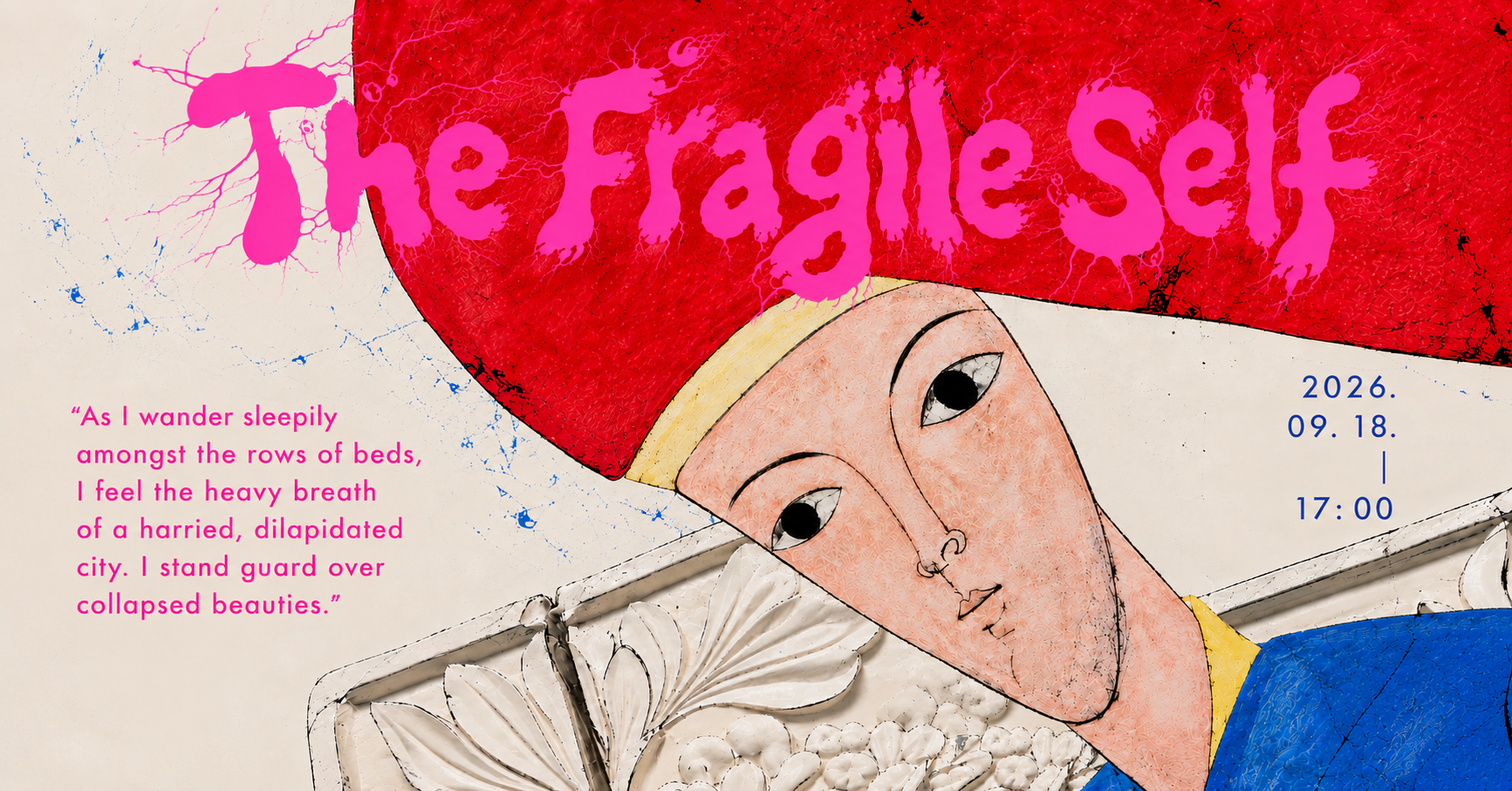
“I keep watch over collapsed beauties.”
The exhibition brings to life the history of Hungarian psychiatric art collections, presenting works by patients treated at the mental asylum, art brut works created outside the institution, written and visual documents, and a sound art work of “multitonal rhythms” inspired by psychiatrist István Hollós’s book (My Farewell to the Yellow House, 1927) and designed by Matthew Faulkner, as a FREEPSY collaborator (UK). The exhibition sheds light on the vulnerability of those living with psychiatric illness, the fate of works created within institutional settings, and the progressive museum initiatives of the interwar period.
Opening date: Friday 18 September 2026, 5.00 pm
Venue: MNMKK Semmelweis Museum of the History of Medicine
Address: 1013 Budapest, Apród utca 1–3.
Welcome address:
Zsolt Sári, State Secretary for Public Collections and Heritage Protection
Opening speech:
Csaba Pléh, psychologist and linguist, member of the Hungarian Academy of Sciences (MTA) and the Academia Europaea
The exhibition will be open to the public from 18 September 2026 to 27 June 2027.
The exhibition has been organised in collaboration with the Institute of Art History at the ELTE Research Centre for the Humanities, the Psychiatric Art Collection of Hungarian Academy of Sciences, and the Semmelweis Museum of the History of Medicine, part of the Hungarian National Museum’s Public Collections Centre.
Special thanks to the Archives of the Ferenczi Sándor Association, and FREEPSY (Free Clinics and a Psychoanalysis for the People: Progressive Histories, Collective Practices, Implications for our Times, University of Essex, UK)
Supported by NKA.


- Details

- Details
For the handbook project, which was developed in collaboration between the BTK Institute of Art History and the Enigma journal, nearly one hundred art historians, including several academics and university professors, have written monographic biographical studies on the great figures of Hungarian art historiography, supplemented with selected bibliographies and short, encyclopedia-style career profiles. One of the greatest undertakings of the Institute of Art History is this well-known handbook of art historiography, series entitled "People, Not Tailcoats: Great Figures in Hungarian Art History Writing". The 13th volume was published in 2025, with the editorial collaboration of András Ferkai.

- Details
Bálint Ugry's book explores the early modern European study tours of young Hungarian aristocrats, known as Kavalierstour. The Kavalierstour was part of many young noblemen’s studies in early modern Europe or represented its final stage. Its unparalleled popularity shows that it was a suitable reflection of the changes that began in the sixteenth century and repositioned the place of the high nobility in society and the courts of the aristocracy, the Church, and the monarchs.
- Details
- Details
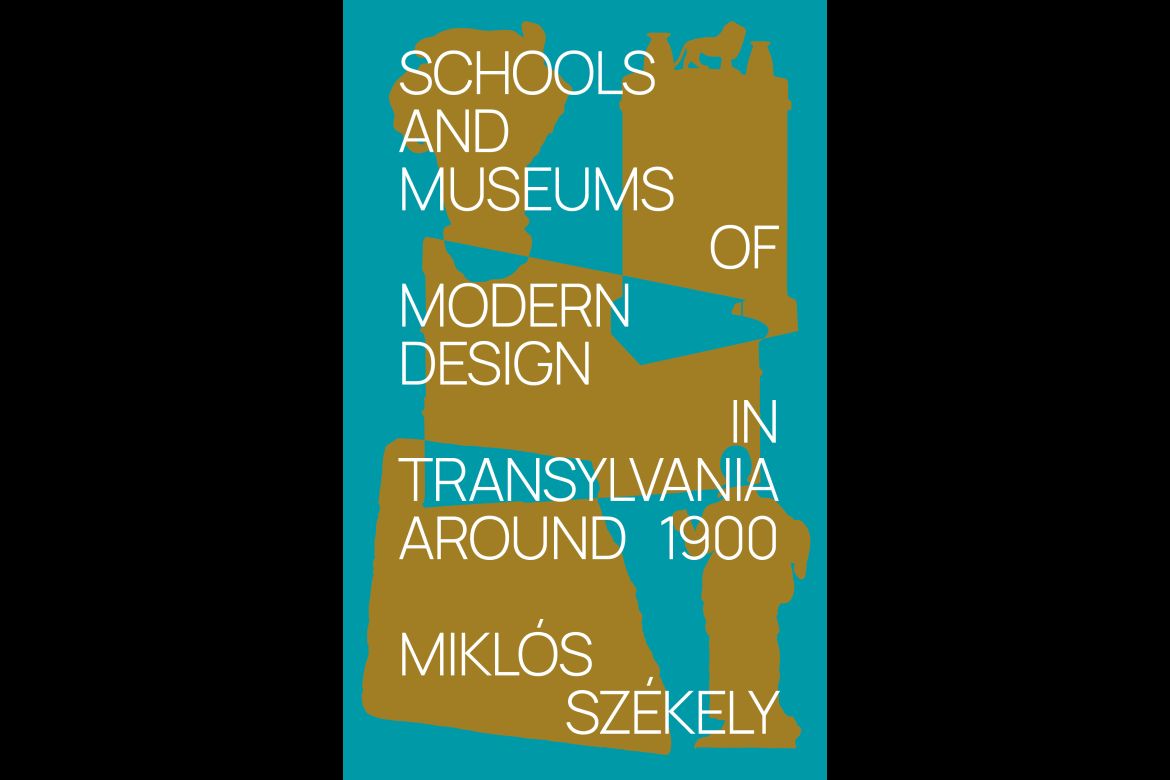
The time limits of the volume are marked by a fundamentally short historical period, the two decades of the half-century history of the Austro-Hungarian Monarchy, when the economic catch-up of Transylvania and the clarification of the presence of Hungarian culture were intertwined in many cases. The memories of industrial vocational education in Transylvania bear witness to the spread of modern technologies and educational methodology and the thin border between the artisan’s and the designer's activities.
- Details
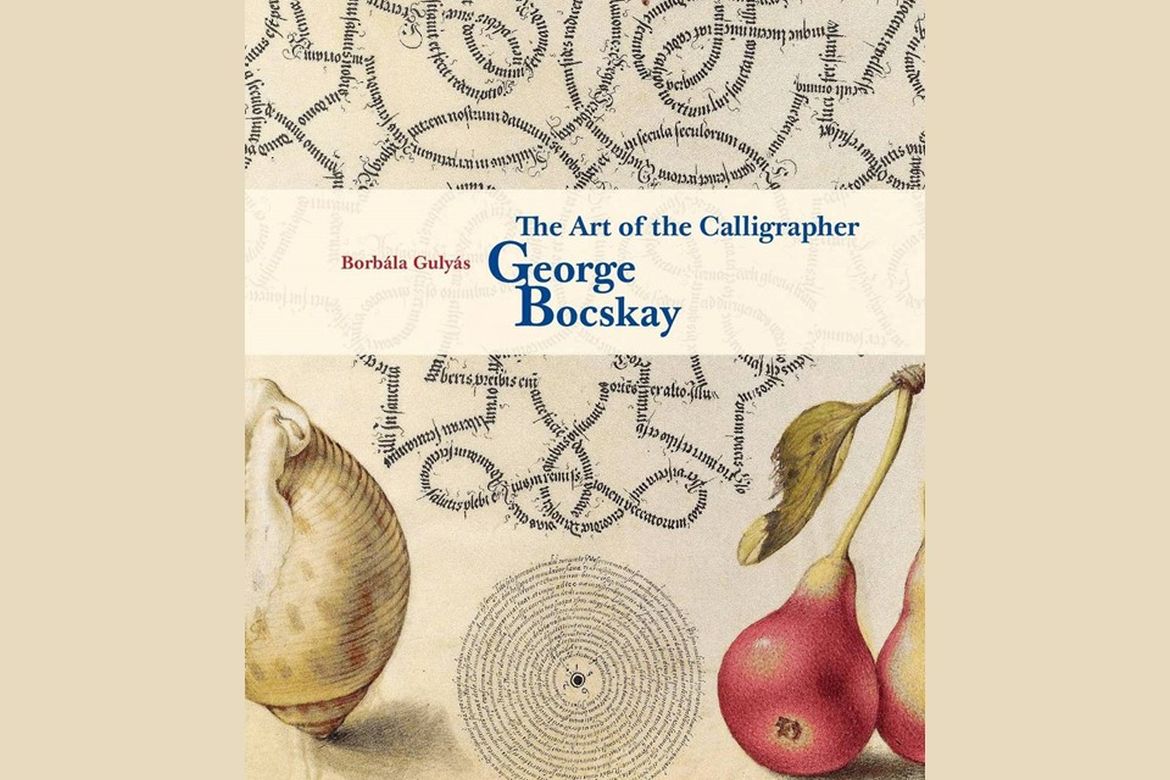
This comprehensive volume explores the art and life of the Hungarian calligrapher George Bocskay (d. 1575). Borbála Gulyás’ richly illustrated work is the revised English edition of her 2020 volume, which was published based on her PhD thesis.
- Details
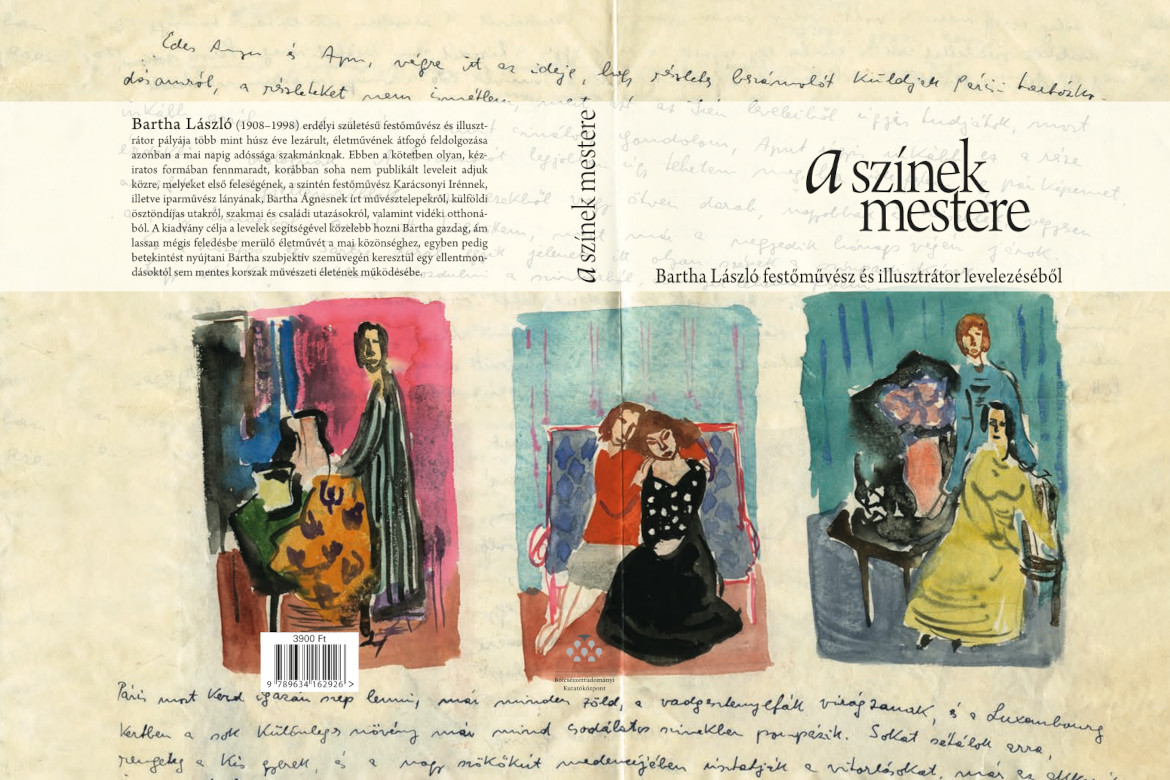
The latest publication of the Institute of Art History, edited by Barbara Dudás, was published under the title The Master of Colors – From the Correspondence of Painter and Illustrator László Bartha. The 320-page book, with 57 black-and-white and color photo appendices, can be purchased at the bookstore of the Research Centre for the Humanities (Penna Bölcsész Könyvesbolt) and in the national networks of Libri and Bookline.
More Articles …


